Ashleigh Bruce
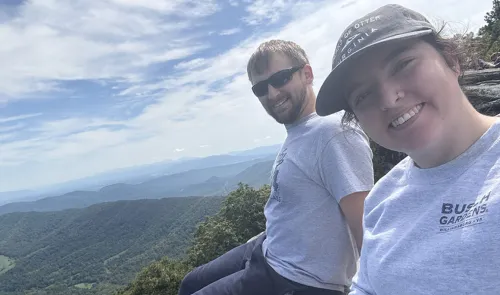
It's still a shock to this day that I even did half of the stuff that I did while going through the things that I went through.
A Passion Rediscovered: How Ashleigh Bruce Found Her Way Back to History
On most days, Ashleigh Bruce can be found helping preserve stories that might otherwise be forgotten.
As Operations Coordinator at Old City Cemetery in Lynchburg, Virginia, she manages volunteers, supports preservation efforts, and is gradually transitioning into the archival work she has dreamed about for years. The role represents a significant milestone in a journey that included career changes, graduate school, personal challenges, and a determination to pursue the subject she has loved since childhood.
For Bruce, history was never simply an academic interest. It was part of everyday life.
Growing up in Virginia, history was impossible to avoid. Her hometown sat near Petersburg, the site of one of the Civil War's most significant campaigns. Family trips often included visits to historic sites and national parks. Most of her family has an appreciation for history, and sometimes conversations about the past were common around the dinner table, and history quickly became the subject that captured her imagination more than any other.
Even as a child, Bruce found herself drawn to historical places and stories. She collected Junior Ranger badges from National Parks across the country and developed an appreciation for the people and events that shaped the nation long before she understood what a career in history could look like.
History was also the subject that came most naturally to her in school. Growing up with a learning disability and an Individualized Education Program (IEP), Bruce often found academic subjects challenging. History was different.
"The only thing that really made sense was history for me," she said.
Yet despite her passion, she did not initially pursue a history degree.
Taking the Long Road
When Bruce enrolled at Liberty University, she was interested in historical preservation but was not entirely sure how to enter the field. Like many students, she made decisions based on the information available to her at the time.
She initially considered education before deciding it was not the right fit. A roommate suggested interior design, and the idea seemed logical. The discipline offered opportunities to study architecture, floor plans, design principles, and historic interiors, all areas that felt connected to preservation work.
One course in particular, History of Interiors, confirmed that she was still drawn to the past. However, as graduation approached and she began exploring career opportunities, Bruce realized something important: most historical preservation roles required a history background.
The more she learned, the more she recognized that while her interior design education had given her valuable skills in research, communication, problem-solving, and attention to detail, it was not leading her where she ultimately wanted to go. The realization was frustrating, but it also provided clarity.
Years later, while working at Ashley Furniture, Bruce found herself thinking about the path not taken.
"I should have done that history degree," she remembered thinking.
That realization set her on a search for graduate programs that could help her reconnect with her original passion.
Finding Norwich
During that search, Bruce discovered Norwich University.
At the time, she was comparing graduate history programs and exploring options that would allow her to study online while continuing to work full time. Norwich's reputation immediately caught her attention, as did its affordability and academic rigor.
Then an unexpected opportunity emerged.
As she worked through the admissions process, Norwich launched its Public History concentration. For someone interested in historical preservation, museums, archives, and community history, the timing could not have been better.
"It was fantastic," Bruce said.
Still, taking the leap into graduate school was intimidating. She spent months preparing her application, reading required materials, and questioning whether she was capable of succeeding in such a demanding academic environment.
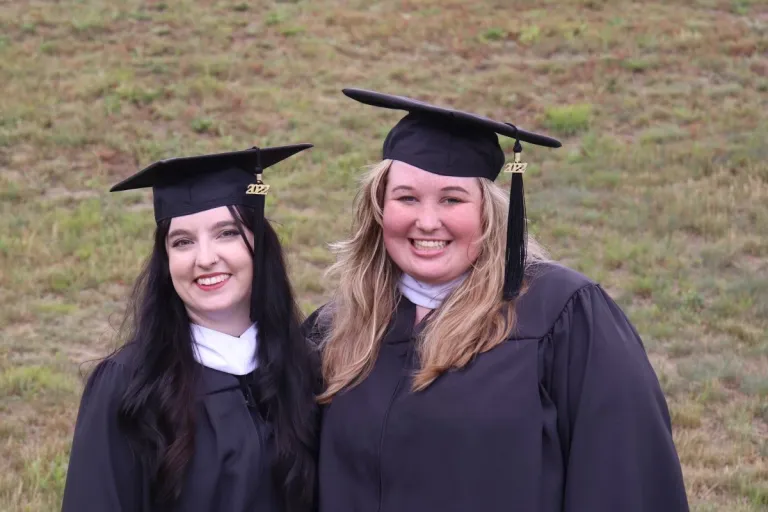
Eventually, she submitted her application. Soon after, the acceptance email arrived, and the path she had wanted years earlier was finally in front of her.
Persevering Through Challenges
What Bruce could not have anticipated was how much life would change during her time at Norwich.
While pursuing her degree, she navigated a divorce, maintained full-time employment, and assumed responsibility for helping care for her younger sister while she finished high school. Any one of those challenges could have been enough to derail graduate school, but Bruce remained committed to finishing what she started.
She credits much of her success to her faith and the support network that surrounded her during some of the most difficult
periods of her life. Her family helped her relocate when circumstances changed unexpectedly. Friends regularly checked in and encouraged her to keep moving forward. Supervisors at work supported her educational goals, while professors and internship mentors provided understanding and flexibility when she needed it most.
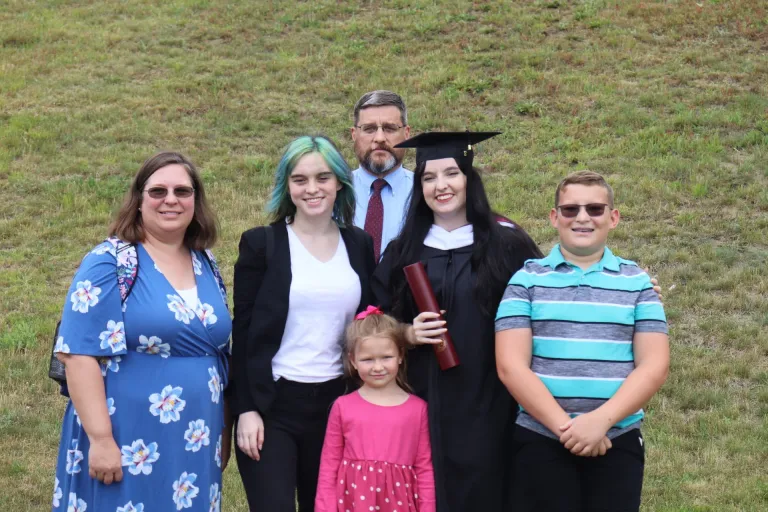
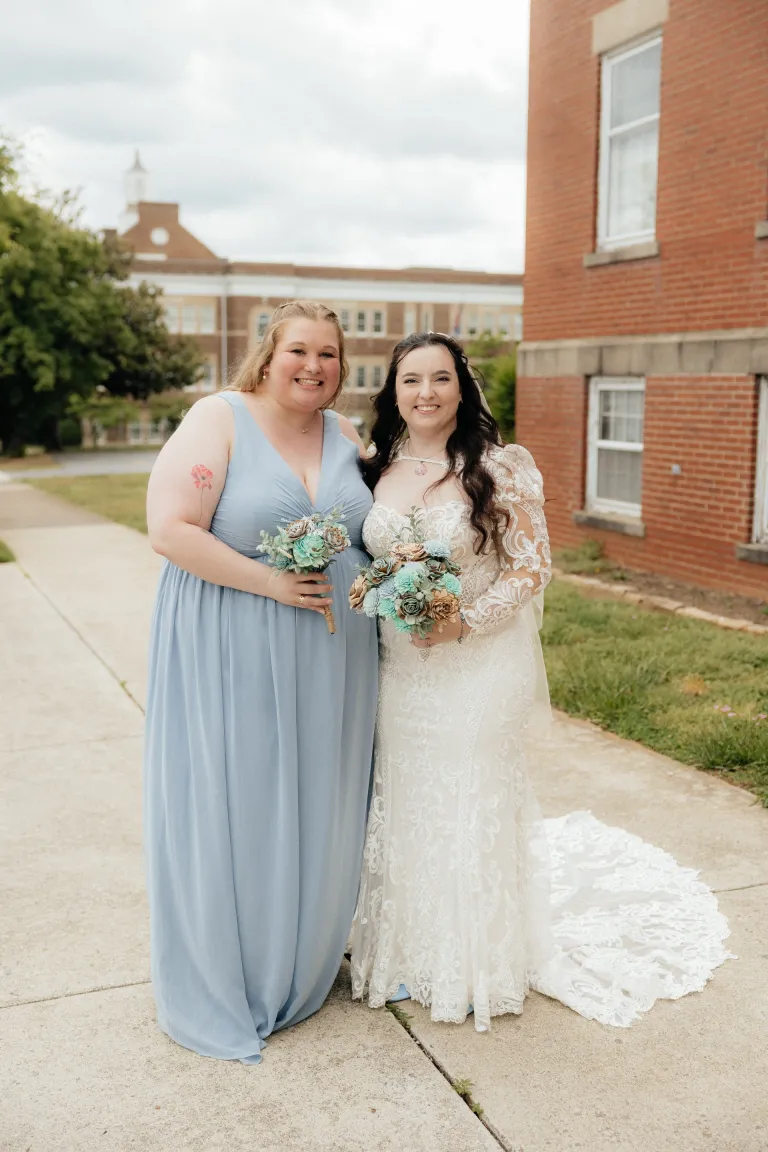
One of the most unexpected outcomes of the program was a friendship that extended well beyond the virtual classroom. During an archives course, Bruce connected with fellow student Molly Smith. What began as conversations about coursework evolved into years of mutual support, academic collaboration, and friendship. The relationship became so meaningful that Smith later served as a bridesmaid in Bruce's wedding.
Looking back, Bruce still finds it remarkable that she completed graduate school while balancing so many responsibilities at once.
"It's still a shock to this day that I even did half of the stuff that I did while going through the things that I went through," she said.
Building a Career Through Persistence
Earning the degree was only one part of the journey. Breaking into the field required experience, and Bruce quickly learned that gaining that experience would require creativity and persistence.
After graduating, she remained employed at a children's museum in Lynchburg. While she enjoyed the work, she knew the position alone would not provide the archival experience needed to move closer to her long-term career goals. Rather than waiting for the perfect opportunity to appear, she made the difficult decision to leave a stable position and take a role at Starbucks, creating the flexibility necessary to volunteer in archives and build the experience employers were seeking.
The decision required a leap of faith, but it ultimately opened doors that helped launch her career. Bruce began volunteering as an archivist with Jones Memorial Library while also volunteering at Old City Cemetery. At the same time, she participated in the National Archives Citizen Archivist program, transcribing historical documents and helping make archival records more accessible to researchers.
Each opportunity expanded her skills, strengthened her professional network, and moved her closer to the work she had envisioned when she first enrolled at Norwich.
Those efforts eventually led to a new opportunity. On April 7, 2026, Bruce officially became Operations Coordinator at Old City Cemetery. Today, her responsibilities range from volunteer management and nonprofit operations to preservation projects and public programming. Over time, she expects to become increasingly involved in archival work, bringing her one step closer to her long-term goal of becoming a professional archivist.
Preserving Stories That Might Otherwise Be Lost
Ask Bruce why public history matters, and her answer comes back to people.
At Old City Cemetery, approximately 22,000 individuals are buried on the grounds, yet only about 8,000 of those graves have headstones. Countless stories remain undocumented, undiscovered, or forgotten entirely. For Bruce, preservation work is about ensuring those stories are not lost to time and that future generations have the opportunity to learn from them.
She points to Lynchburg's role during the Civil War, local medical history, and the countless personal stories hidden within cemetery records as examples of how much remains to be explored. Even after decades of research and preservation efforts, there are still discoveries waiting to be made
That sense of possibility is one of the things she loves most about archival work. Whether uncovering a colonial-era tax record, examining historical documents tied to prominent Virginia families, or helping piece together the stories of individuals buried within the cemetery grounds, each discovery offers a new connection to the past.
"What else could be there?" she said.
For Bruce, that question continues to drive both her curiosity and her career.
Looking Ahead
Although Bruce has already achieved a significant milestone in her career, she sees her current position as part of a much larger journey.
Her long-term goal remains clear: becoming a full-time archivist.
Whether that future eventually leads to a university archive, a historical society, the National Archives, or another preservation organization, she knows she is moving in the right direction. Every volunteer hour, every research project, every archival document, and every professional opportunity has brought her one step closer.
For those considering a similar path, her advice is simple: pursue it because you love it.
The work can be demanding. Graduate school can be challenging. Building experience often requires patience and persistence. But passion makes the effort worthwhile.
For Bruce, that passion began with family stories, national parks, and a childhood fascination with the past. It survived detours, challenges, and uncertainty. Today, it has become a career dedicated to preserving history and helping others discover it.
In many ways, she is still doing what she loved as a child: uncovering stories and wondering what else might be waiting to be found.