Daniel Fienco

It was Brazilian jiu-jitsu for my mind.
Finding a New Mission: How Daniel Fienco Is Preparing to Serve Beyond the Military
When Daniel Fienco left the Army in 2020, he found himself surrounded by pieces of a life he had largely set aside.
There were guitars and drums packed away in storage. Old notebooks filled with song lyrics. Creative projects that had been put on hold while military service, deployments, and professional responsibilities took priority. For the first time in more than a decade, he had the opportunity to slow down and consider what came next.
Reflecting on that period, Fienco realized how completely he had immersed himself in military service. Like many veterans, he had spent years focused on mission accomplishment, leadership responsibilities, and the demands of a profession that often leaves little room for personal pursuits.
“I lost myself in the process,” he said.
Today, Fienco is pursuing a Master of Public Administration through Norwich University while continuing a relentless pursuit of personal growth that includes songwriting, martial arts competition, community involvement, and long-term ambitions to serve in public leadership roles. Graduate education serves as preparation for a new chapter of leadership, public service, and personal growth.
A Life Built on Growth and Challenge
Born in Connecticut and raised between the Northeast and Georgia, Fienco developed an entrepreneurial mindset long before joining the military. As a teenager, he wrote music, formed bands, organized performances, sold merchandise, and learned firsthand what it meant to build something from the ground up.
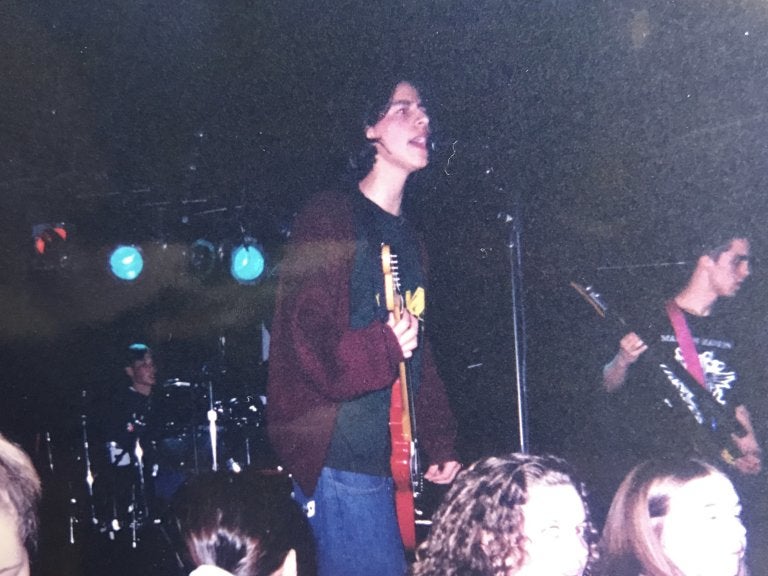
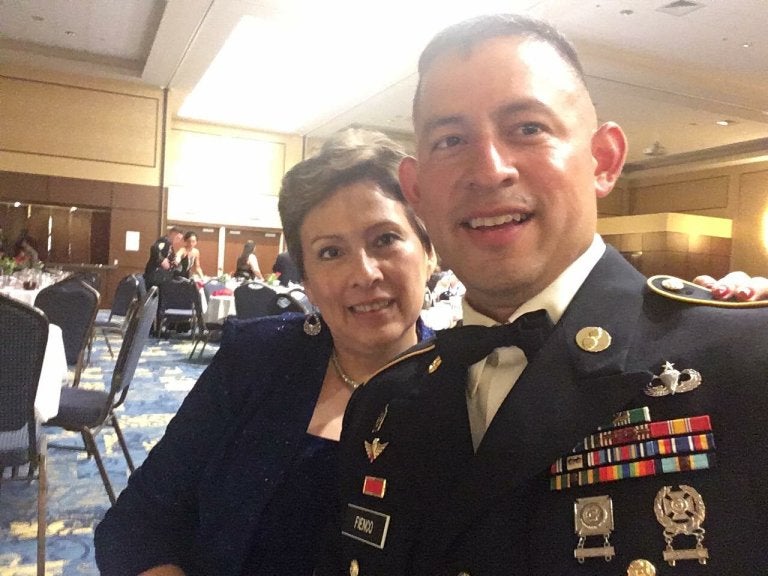
After a variety of jobs, including helping operate small businesses, he enlisted in the Army in 2006 and would go on to serve through four deployments. The military provided purpose, challenge, and opportunities he never expected. It also demanded an extraordinary amount of focus, often requiring him to place personal interests on the back burner while concentrating on the mission in front of him.
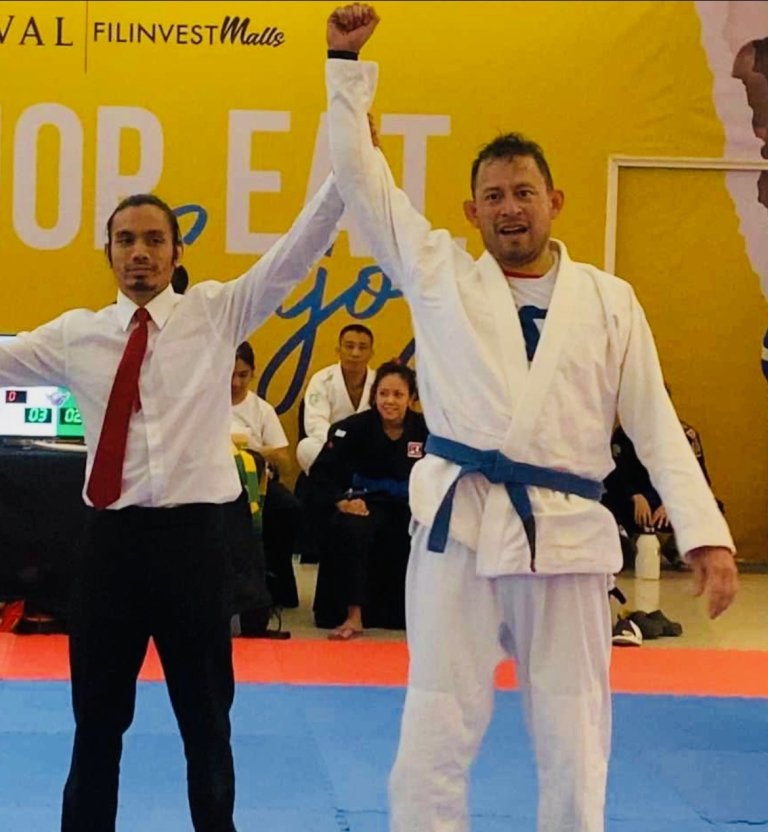
When he eventually transitioned out of uniform, he found himself reconnecting with interests and passions that had been waiting patiently in the background. He returned to songwriting and began recording music again, eventually completing dozens of original works. He also discovered Brazilian jiu-jitsu and Muay Thai, disciplines that challenged him physically and mentally in ways that felt surprisingly familiar.
The competitive environment reminded him of a feeling he had not experienced since his time as a jumpmaster in the 82nd Airborne Division.
Competition appealed to him because it demanded growth. The challenge, discipline, and continuous improvement felt familiar after years in the military. Whether training for martial arts tournaments, recording music, or pursuing graduate education, Fienco found himself consistently drawn toward activities that required resilience and commitment.
Looking for Something More
Education had always been part of his long-term plans, even while serving on active duty. He began pursuing college coursework during his military career, though deployments and operational demands often interrupted his progress. Eventually, he completed a Bachelor of Arts in Entrepreneurship through American Military University, combining his military experience with a long-standing interest in business, leadership, and organizational development.
After graduation, he quickly realized his intellectual curiosity had not been fully satisfied.
Throughout his military career and transition into civilian life, Fienco found himself increasingly interested in leadership, institutions, governance, and the systems that shape society. He wanted a deeper understanding of how communities function, how decisions are made, and how effective leaders create lasting impact.
One question kept resurfacing.
“The biggest concern that hit me was who's going to replace the people that are running it now,” Fienco said. “And then who's going to come after them?”
The question extended beyond politics or organizational charts. It reflected a genuine concern for stewardship, succession, and the long-term health of communities and institutions. The search for those answers eventually led him toward public administration.
Discovering Public Service Beyond the Military
A turning point came when Fienco participated in the Citizens Academy program in Clermont, Florida. The experience provided direct access to local government leaders, including the city manager, finance director, public works officials, police leadership, fire services personnel, planners, and elected officials.
What surprised him most was how familiar everything felt.
After years in the Army, he recognized many of the same leadership structures, planning processes, and collaborative relationships that existed within military organizations. The setting was different, but the underlying mission of serving people and solving problems felt remarkably similar.
“It was just like being in the military, but everybody's over here,” he recalled.
The experience gave him a firsthand look at the people, processes, and leadership required to keep communities functioning every day. It also helped him recognize that his desire to serve remained unchanged after leaving active duty. The setting had changed, but the motivation was still there.
As he learned more about local government, he became increasingly interested in the professionals who often work behind the scenes to solve problems, manage resources, and improve the quality of life for their communities. Public administration offered a pathway to continue serving while applying many of the leadership skills he had developed during his military career.
Why Norwich
As Fienco explored graduate programs, he found himself repeatedly returning to Norwich.
Part of the attraction was the university's military heritage and longstanding reputation among service members. He had known officers who attended Norwich and consistently came away impressed by both their professionalism and intellectual curiosity. Conversations with Norwich alumni often left him with more questions than answers, not because they were argumentative, but because they approached complex issues thoughtfully and challenged assumptions in productive ways.
Those interactions convinced him to take a closer look at the university and ultimately enroll in the Master of Public Administration program.
The program provided the intellectual challenge he had been searching for.
“It was Brazilian jiu-jitsu for my mind,” Fienco said.
The coursework immediately connected with questions he had been wrestling with for years. Concepts surrounding governance, leadership, public institutions, and decision-making provided language and frameworks for ideas he had long struggled to articulate. Rather than simply memorizing information, he found himself engaging deeply with theories and concepts that helped explain many of the systems he had observed throughout his military and civilian experiences.
Norwich also helped him become a more effective communicator.
As someone who naturally thinks broadly and connects ideas across disciplines, Fienco often found himself trying to explain complex concepts all at once. Watching professors and classmates communicate sophisticated ideas with clarity and precision pushed him to refine his own approach.
Over time, he learned how to say more with fewer words, a skill that has benefited him both professionally and personally.
A New Perspective on Leadership
Studying public administration broadened Fienco's understanding of how government functions beyond the elected officials and public figures most people see.
Today, he pays greater attention to city managers, finance directors, public works leaders, department heads, and the countless professionals responsible for translating vision into execution. These individuals rarely receive public recognition, yet their decisions affect nearly every aspect of daily life.
Understanding how those systems operate has given him a greater appreciation for the complexity of public service and helped him approach issues with more patience and perspective.
“It's calmed me down,” he said. “You start noticing how things really function.”
The experience reinforced his belief that strong institutions depend on capable leaders who are willing to serve, continue learning, and eventually prepare the next generation to take their place.
Preparing for What Comes Next
Although Fienco remains focused on completing his master's degree, he is already thinking beyond graduation. A Doctor of Public Administration may be in his future, and he continues exploring opportunities to become more involved in public service and community leadership.
Long term, he hopes to build the experience necessary to serve at increasingly higher levels of responsibility. Whether that path eventually leads to local government, nonprofit leadership, public administration, or elected office, he remains motivated by a desire to contribute in meaningful ways.
His approach remains grounded in a philosophy that has guided much of his life: leave things better than you found them.
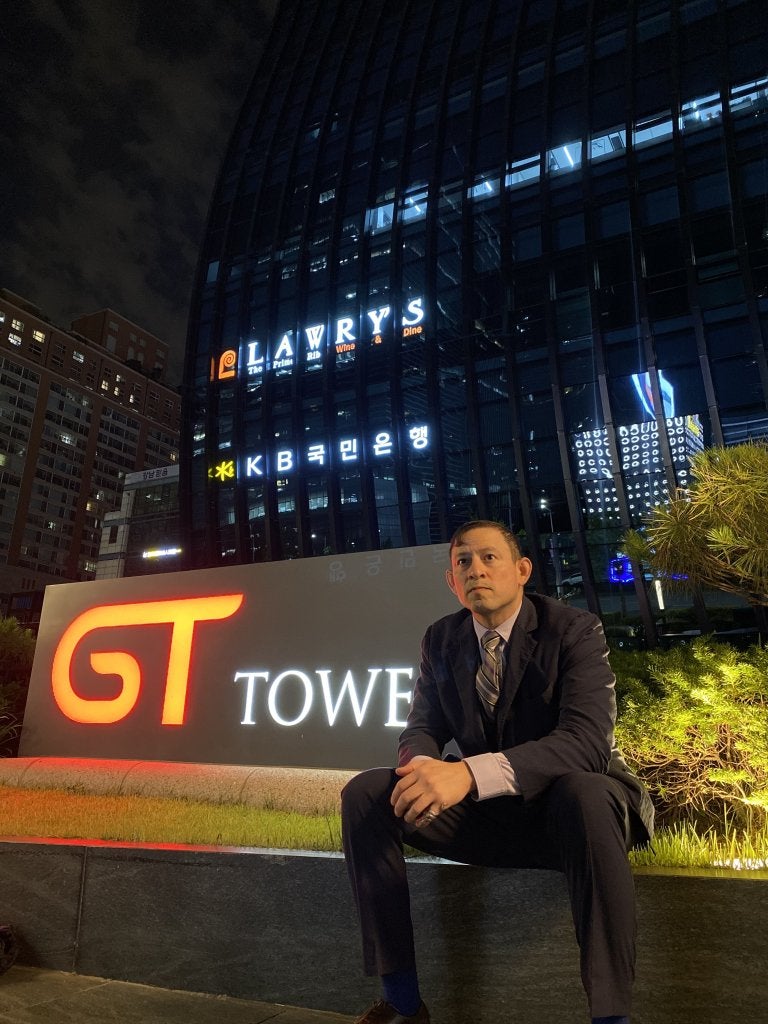
When discussing why he shares his experiences and encourages others to pursue opportunities for growth, Fienco's answer reflects the same mindset that first drew him toward military service and later toward public administration.
“Somebody needs to hear it. Somebody needs to know about it,” he said.
For veterans navigating life after the military, he believes education can play a critical role in helping them translate their experience, refine their thinking, and discover new ways to contribute. Norwich played an important role in that process by providing both intellectual challenge and a community that understands the unique transition many veterans experience after military service.
Today, Fienco is focused on continuing his education, developing as a leader, and preparing for future opportunities in public service. Whether his future leads to local government, public administration, nonprofit leadership, or elected office, he remains committed to the same principle that has guided much of his life: continue learning, continue growing, and leave every organization better than he found it.